Unlocking the Creative Mind: Cannabis as an Artistic Catalyst For millennia, artists have sought ways to transcend ordinary consciousness and tap into deeper wells of creativity. Among the various tools employed throughout history, cannabis has emerged as one of the most enduring and widely used substances for enhancing artistic expression. This fascinating relationship between marijuana […]

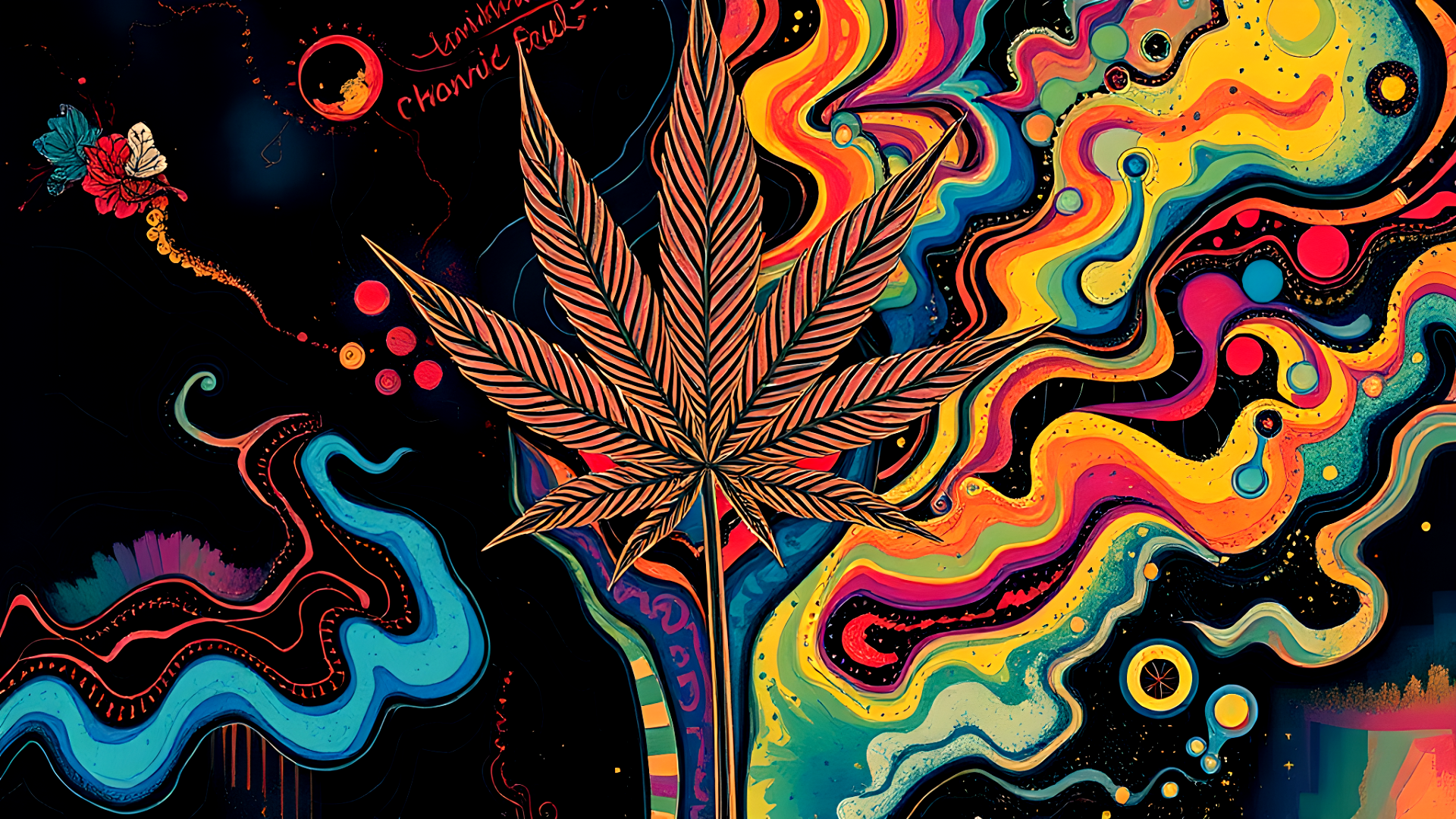
For millennia, artists have sought ways to transcend ordinary consciousness and tap into deeper wells of creativity. Among the various tools employed throughout history, cannabis has emerged as one of the most enduring and widely used substances for enhancing artistic expression. This fascinating relationship between marijuana and creative output has captivated researchers, artists, and enthusiasts alike, sparking ongoing investigations into how this remarkable plant influences human imagination.
The intersection of cannabis consumption and artistic creation represents more than just recreational use—it’s a deliberate exploration of altered states of consciousness that can unlock new perspectives, break through creative barriers, and facilitate the kind of innovative thinking that produces groundbreaking art. Understanding this phenomenon requires examining both the biological mechanisms at play and the rich cultural history that has shaped cannabis’s role in creative communities.
Modern neuroscience has begun unraveling the mystery of how cannabis affects creative cognition. When THC enters the bloodstream and crosses the blood-brain barrier, it interacts with the endocannabinoid system in ways that fundamentally alter neural communication patterns. These changes particularly impact the prefrontal cortex, the brain region responsible for executive function and creative ideation.
Research conducted by cognitive scientists has revealed that cannabis consumption can significantly increase divergent thinking—the mental process of generating creative ideas by exploring unexpected connections. This enhancement occurs because THC reduces the brain’s natural inhibitory mechanisms, allowing thoughts to flow more freely between typically disconnected neural networks.
Professor Alice Flaherty’s groundbreaking work at Harvard Medical School demonstrated that cannabis users show increased activity in the brain’s default mode network, a collection of regions associated with daydreaming, introspection, and creative insight. This heightened activity correlates strongly with reported increases in creative output and artistic satisfaction.
Beyond THC’s well-documented effects, other cannabis compounds contribute uniquely to creative enhancement. CBD’s anxiolytic properties can eliminate the performance anxiety that often blocks creative flow, while minor cannabinoids like CBG and CBN offer their own cognitive benefits. The aromatic terpenes found in cannabis—including myrcene, limonene, and pinene—also play crucial roles in shaping the creative experience.
Studies published in Frontiers in Psychology have shown that the entourage effect, where multiple cannabis compounds work synergistically, produces more consistent and beneficial creative outcomes than isolated cannabinoids alone.
Long before modern scientific understanding, ancient cultures recognized cannabis’s potential for enhancing creative and spiritual practices. In ancient India, sadhus (holy men) used cannabis preparations to achieve transcendent states that informed their artistic and philosophical work. These traditions viewed cannabis not as an intoxicant but as a sacred plant teacher that could reveal hidden truths and inspire divine creativity.
Chinese scholars and artists of the Tang Dynasty incorporated cannabis into their literary salons, believing it enhanced poetic sensitivity and philosophical insight. Historical documents describe how these gatherings produced some of the era’s most celebrated artistic works, suggesting a direct link between cannabis use and creative excellence.
The countercultural movement of the 1960s marked a turning point in cannabis’s relationship with mainstream artistic expression. Musicians like Bob Dylan, The Beatles, and Jimi Hendrix openly credited cannabis with expanding their creative horizons and inspiring revolutionary approaches to their craft. This period saw the emergence of entirely new artistic genres and styles that bore the unmistakable influence of cannabis-enhanced consciousness.
Visual artists like Peter Halley and Alex Grey developed distinctive styles that seemed to capture the perceptual alterations induced by cannabis, creating works that resonated deeply with audiences familiar with these altered states. The period established cannabis as a legitimate tool for artistic exploration rather than merely a recreational substance.
Sativa-dominant varieties have earned recognition among creative professionals for their ability to stimulate mental activity while maintaining clarity and focus. These strains typically produce uplifting, cerebral effects that complement intensive creative work.
Green Crack stands out as a favorite among writers and visual artists for its remarkable ability to enhance mental clarity and sustained focus. Despite its provocative name, this strain delivers clean, energetic effects that can fuel hours of productive creative work without the crash associated with stimulants.
Sour Diesel has become legendary in creative circles for its potent cerebral effects and long-lasting duration. Musicians particularly appreciate how this strain seems to enhance their ability to perceive subtle musical relationships and develop complex compositional ideas.
Super Lemon Haze combines the uplifting effects of Haze genetics with citrusy terpenes that promote alertness and mental agility. This strain has gained popularity among digital artists and designers who require sustained concentration for detailed work.
While sativas excel at energizing creativity, indica-dominant strains offer their own unique benefits for certain types of artistic expression. These varieties promote the kind of introspective, meditative states that can lead to profound creative insights.
OG Kush has achieved iconic status among creative cannabis users for its ability to quiet mental noise and promote deep, focused contemplation. Writers often describe how this strain helps them access emotional authenticity and vulnerability in their work.
Bubba Kush offers a perfect balance of mental relaxation and gentle euphoria that many artists find conducive to experimental and intuitive creative processes. The strain’s sedating properties make it ideal for evening creative sessions focused on exploration rather than productivity.
Purple Punch combines relaxing physical effects with mood-elevating mental stimulation, creating an ideal state for artists working on emotionally expressive pieces. The strain’s sweet, fruity profile adds to its appeal among creative users.
Hybrid strains offer the potential to combine the best aspects of both sativa and indica effects, creating balanced states that suit various creative needs and working styles.
Girl Scout Cookies has become a staple in creative communities for its reliable combination of euphoric mental effects and gentle physical relaxation. This balance makes it suitable for both active creative work and more contemplative artistic practices.
White Widow provides clear-headed euphoria paired with relaxed alertness, making it popular among artists who need to maintain technical precision while accessing enhanced creative flow. The strain’s balanced effects make it suitable for collaborative creative projects.
Gelato offers a sophisticated blend of mental stimulation and physical comfort that appeals to artists seeking nuanced, controllable effects. Its complex terpene profile provides a refined experience that many creative professionals prefer for serious artistic work.
Raw Garden has revolutionized the concentrate market with their live resin products that preserve the full spectrum of cannabinoids and terpenes. Their commitment to capturing the complete plant profile makes their products particularly appealing to artists who seek the most authentic and effective cannabis experience. The brand’s emphasis on strain-specific effects helps creative users find products that align with their artistic goals.
Stiiizy has built a reputation for producing consistently potent and pure cannabis products that creative professionals can rely on. Their proprietary extraction methods preserve the delicate compounds that contribute to creative enhancement, while their precise dosing allows for predictable effects. The brand’s sleek, discrete products appeal to professional artists who value both quality and convenience.
Heavy Hitters has become synonymous with high-quality cannabis products that deliver exceptional creative experiences. Their collaboration with renowned cultivators ensures access to premium genetics, while their extraction expertise maximizes the creative potential of each strain. The brand’s focus on potency and purity makes them a favorite among serious creative cannabis users.
The practice of micro-dosing—consuming small, sub-perceptual amounts of cannabis—has gained traction among creative professionals seeking subtle enhancement without impairment. This approach typically involves consuming 1-3mg of THC, enough to provide mild cognitive enhancement while maintaining full functionality.
Research by Dr. Dustin Sulak has shown that micro-dosing can enhance pattern recognition, increase openness to new experiences, and improve emotional regulation—all crucial components of creative work. This method allows artists to integrate cannabis into their daily practice without compromising productivity or professional responsibilities.
The physical and psychological environment significantly influences the creative outcomes of cannabis use. Creating dedicated creative spaces that promote comfort, inspiration, and focus can dramatically enhance the benefits of cannabis consumption for artistic work.
Lighting plays a crucial role, with many artists preferring warm, adjustable lighting that can be modified throughout the creative session. Sound environments also matter, whether that’s complete silence for introspective work or carefully curated music that complements the creative process.
While subjective reports of cannabis-enhanced creativity are widespread, objective research presents a more nuanced picture. Studies by Dr. Lorenza Colzato at the University of Amsterdam found that while cannabis users consistently report feeling more creative, standardized creativity tests don’t always reflect this perceived enhancement.
This discrepancy doesn’t necessarily diminish cannabis’s value as a creative tool, but it highlights the importance of critical self-evaluation and the need to distinguish between feeling creative and producing quality creative work.
One of the most significant risks associated with using cannabis for creativity is the potential development of psychological dependency. Artists who rely exclusively on cannabis for creative inspiration may find their natural creative abilities diminished over time, leading to a cycle where cannabis becomes necessary for any creative work.
Maintaining regular periods of cannabis-free creativity and diversifying creative practices can help prevent this dependency while preserving the beneficial effects of occasional cannabis use.
Cutting-edge neuroimaging technologies are providing unprecedented insights into how cannabis affects the creative brain. Recent fMRI studies have begun mapping the specific neural networks involved in cannabis-enhanced creativity, potentially leading to more targeted and effective approaches to creative enhancement.
Researchers at Johns Hopkins University are using advanced brain imaging to study how different cannabinoid ratios affect creative neural networks, work that could inform the development of cannabis products specifically designed for creative applications.
The emerging field of cannabis genomics promises to revolutionize how individuals approach cannabis use for creativity. By analyzing genetic markers that influence cannabinoid metabolism and sensitivity, researchers are developing personalized recommendations for optimal creative cannabis use.
This scientific approach could eliminate much of the trial-and-error currently involved in finding the right strains and dosages for creative work, making cannabis a more reliable and effective creative tool.
The relationship between cannabis and creativity represents one of humanity’s oldest explorations of consciousness enhancement for artistic purposes. While scientific research continues to refine our understanding of the mechanisms involved, the lived experiences of countless artists throughout history testify to cannabis’s genuine potential as a creative catalyst.
Success in using cannabis for creative enhancement lies in approaching it as a sophisticated tool that requires skill, intention, and respect to use effectively. Like any artistic medium, cannabis demands practice, experimentation, and critical evaluation to master.
The future of cannabis-enhanced creativity will likely involve increasingly sophisticated approaches that combine scientific understanding with traditional wisdom. As legal markets mature and research restrictions ease, we can expect more refined products and methods specifically designed to support creative work.
For artists considering cannabis as part of their creative practice, the path forward involves careful experimentation, honest self-assessment, and integration of cannabis use into a broader framework of artistic development. When approached thoughtfully, cannabis can serve as a powerful ally in the quest for authentic, innovative creative expression.
The key is remembering that cannabis is most effective when it amplifies existing creative abilities rather than replacing the fundamental elements of artistic practice: technical skill, emotional authenticity, and dedicated effort. In this context, cannabis becomes not a crutch but a catalyst—a tool for exploring the furthest reaches of human creative potential.