Sleep disorders affect millions of people worldwide, with many searching for natural alternatives to traditional sleep medications. Cannabis has emerged as a popular option for those seeking better rest, but does the science support its effectiveness? Let’s explore the complex relationship between cannabis and sleep quality. The Science Behind Cannabis and Sleep Cannabis contains over […]

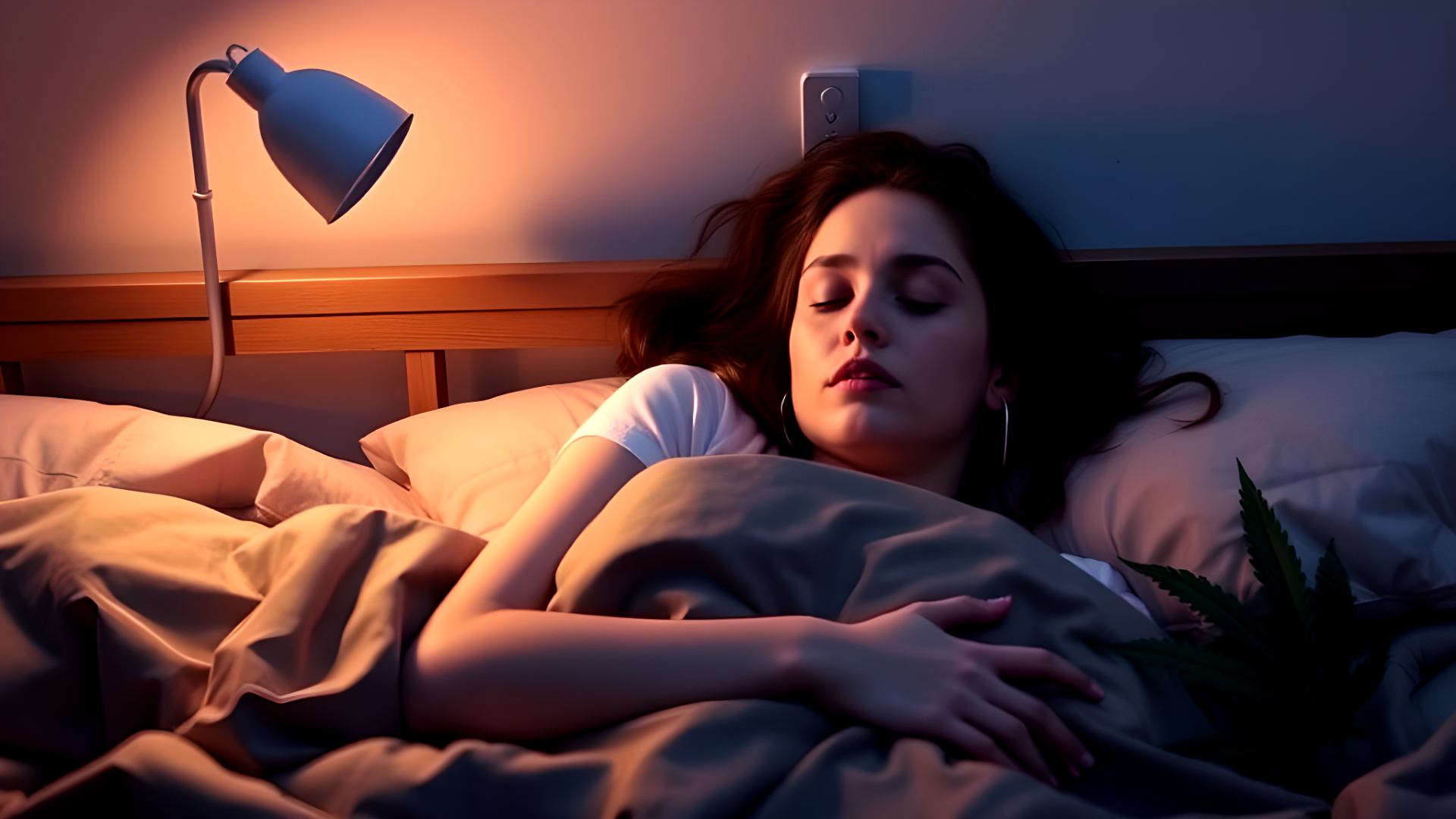
Sleep disorders affect millions of people worldwide, with many searching for natural alternatives to traditional sleep medications. Cannabis has emerged as a popular option for those seeking better rest, but does the science support its effectiveness? Let’s explore the complex relationship between cannabis and sleep quality.
Cannabis contains over 100 different compounds called cannabinoids, with THC (tetrahydrocannabinol) and CBD (cannabidiol) being the most well-researched. These compounds interact with our body’s endocannabinoid system, which plays a crucial role in regulating sleep-wake cycles, mood, and overall homeostasis.
Research suggests that THC can reduce the time it takes to fall asleep and may increase deep sleep phases initially. However, chronic use might lead to tolerance and potentially disrupt REM sleep over time. CBD, on the other hand, appears to promote relaxation without the psychoactive effects, making it attractive for those seeking sleep benefits without intoxication.
A 2019 study published in The Permanente Journal found that 79.2% of patients reported improved sleep scores within the first month of CBD use, though these effects varied over time. The study highlighted the potential of cannabinoids as sleep aids while emphasizing the need for more comprehensive research.
Traditionally, indica strains have been associated with sedating effects, making them popular choices for evening use. These strains typically contain higher levels of the terpene myrcene, which is believed to contribute to their relaxing properties.
Top Sleep-Promoting Indica Strains:
For those seeking sleep benefits without significant psychoactive effects, CBD-dominant strains offer an appealing alternative.
Notable CBD Strains for Sleep:
Terpenes are aromatic compounds found in many plants, including cannabis, that contribute to both flavor and effects. Several terpenes are particularly relevant for sleep:
Myrcene: Often called the “couch-lock” terpene, myrcene is found in high concentrations in many indica strains and is associated with sedating effects.
Linalool: Also found in lavender, this terpene is known for its calming and anti-anxiety properties.
Terpinolene: Despite being found in some sativa strains, terpinolene can have sedating effects and may help with insomnia.
Kiva has developed a reputation for consistent, high-quality sleep-focused products. Their “Sleep” gummies combine THC with CBN (cannabinol), a cannabinoid that forms as THC ages and is believed to have particularly strong sedating properties. Each gummy contains precise dosing, making it easier for users to find their optimal amount.
This California-based brand focuses on wellness-oriented cannabis products. Their “Releaf” line includes balms and tinctures specifically formulated for nighttime use, combining cannabis with other natural sleep aids like chamomile and valerian root.
Known for their fruit-forward gummies, Wyld offers “Elderberry” sleep gummies that blend THC and CBD with natural elderberry flavoring. The brand emphasizes using real fruit flavors and natural ingredients in their sleep formulations.
Plus creates precise-dose gummies with their “Sleep” variety containing a balanced ratio of THC and CBD. Their focus on consistent dosing and third-party testing makes them a reliable choice for those new to cannabis sleep aids.
Finding the right dosage is crucial for using cannabis effectively as a sleep aid. Most experts recommend starting with low doses and gradually increasing until the desired effect is achieved.
Edibles: Provide longer-lasting effects (4-8 hours) but take 30-90 minutes to onset. Ideal for maintaining sleep throughout the night.
Vaping: Offers faster onset (5-15 minutes) but shorter duration (2-4 hours). Good for falling asleep quickly.
Tinctures: Allow for precise dosing and sublingual absorption provides moderate onset time (15-45 minutes).
Topicals: For localized pain relief that might be interfering with sleep, though they won’t provide systemic sleep benefits.
Cannabis may help with sleep by addressing underlying issues that interfere with rest, including chronic pain, anxiety, and PTSD symptoms. Some users report improved sleep quality, reduced nighttime awakenings, and decreased time to fall asleep.
The anti-inflammatory properties of certain cannabinoids might also help those whose sleep is disrupted by pain or inflammation-related conditions.
While cannabis can be helpful for sleep, it’s not without potential drawbacks. Regular use may lead to tolerance, requiring higher doses over time. Some research suggests that chronic THC use might suppress REM sleep, which is important for memory consolidation and emotional processing.
Additionally, cannabis affects everyone differently based on individual body chemistry, tolerance, and the specific product used. What works well for one person may not be effective for another.
Like any sleep aid, cannabis works best when used as part of a comprehensive sleep hygiene routine. Take your chosen product at the same time each night, about 30-60 minutes before your desired bedtime.
Combine cannabis use with other sleep-promoting practices: keep your bedroom cool and dark, avoid screens before bed, and consider incorporating relaxation techniques like gentle stretching or meditation.
Keep a sleep journal noting which products, doses, and timing work best for you. This information will help you refine your approach and communicate effectively with healthcare providers.
As cannabis legalization expands, researchers are conducting more comprehensive studies on its effects on sleep. Current research is exploring optimal ratios of different cannabinoids, the role of terpenes in sleep promotion, and how individual genetics might influence cannabis effectiveness for sleep.
Emerging cannabinoids like CBN are showing particular promise for sleep applications, with some companies developing products specifically featuring this compound alongside traditional THC and CBD formulations.
While cannabis shows promise as a sleep aid, it’s important to approach its use thoughtfully. Consider consulting with a healthcare provider familiar with cannabis medicine, especially if you have underlying health conditions or take other medications.
Start with products from reputable brands that provide third-party lab testing results, ensuring you know exactly what compounds and concentrations you’re consuming. Remember that consistency in products and routine often leads to better results than sporadic use.
The relationship between cannabis and sleep is complex and highly individual. While many people find significant benefits, others may experience minimal effects or even sleep disruption. The key is finding the right product, dose, and routine that works for your unique situation.