
The path that cannabis takes from initial cultivation to your local dispensary represents one of the most tightly regulated and technologically advanced agricultural supply chains in existence. This intricate process involves numerous specialists, cutting-edge facilities, and rigorous oversight at every stage, ensuring consumers receive safe, potent, and consistent products. Cultivation: Where Excellence Begins Genetic Selection […]

The path that cannabis takes from initial cultivation to your local dispensary represents one of the most tightly regulated and technologically advanced agricultural supply chains in existence. This intricate process involves numerous specialists, cutting-edge facilities, and rigorous oversight at every stage, ensuring consumers receive safe, potent, and consistent products.
Cannabis cultivation starts with superior genetics, and today’s market leaders invest heavily in developing proprietary strains. Companies like Cookies have transformed the industry landscape with their signature genetics, including the legendary Girl Scout Cookies strain that spawned countless popular varieties. Meanwhile, Jungle Boys continues pushing boundaries with exotic crosses and limited releases that command premium pricing.
The selection process involves identifying plants with optimal characteristics—potency, flavor profiles, yield potential, and resistance to pests and diseases. Master breeders hunt through thousands of phenotypes to discover the next breakthrough strain, whether it’s the citrusy appeal of Tangie or the profound relaxation offered by Granddaddy Purple.
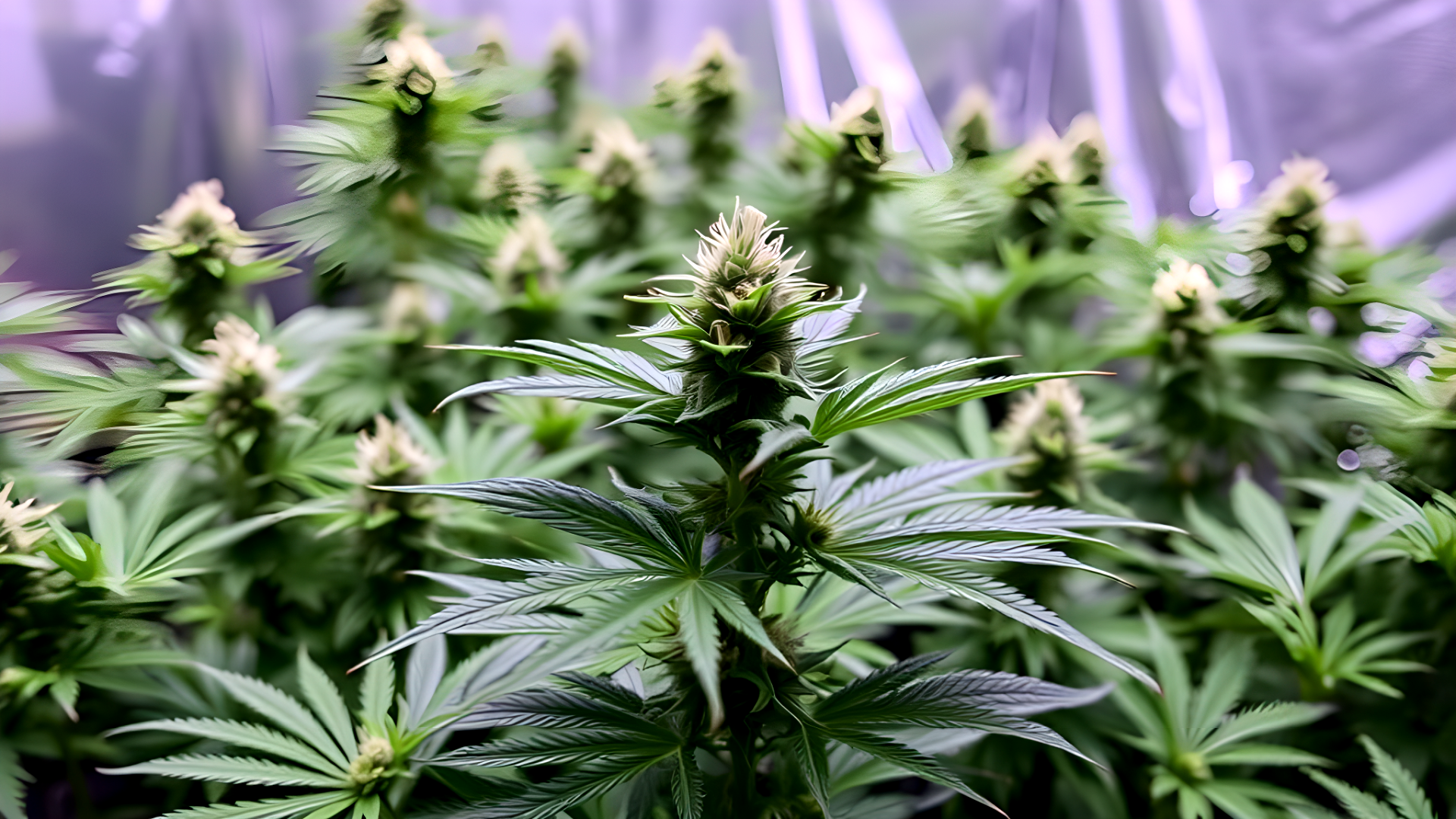
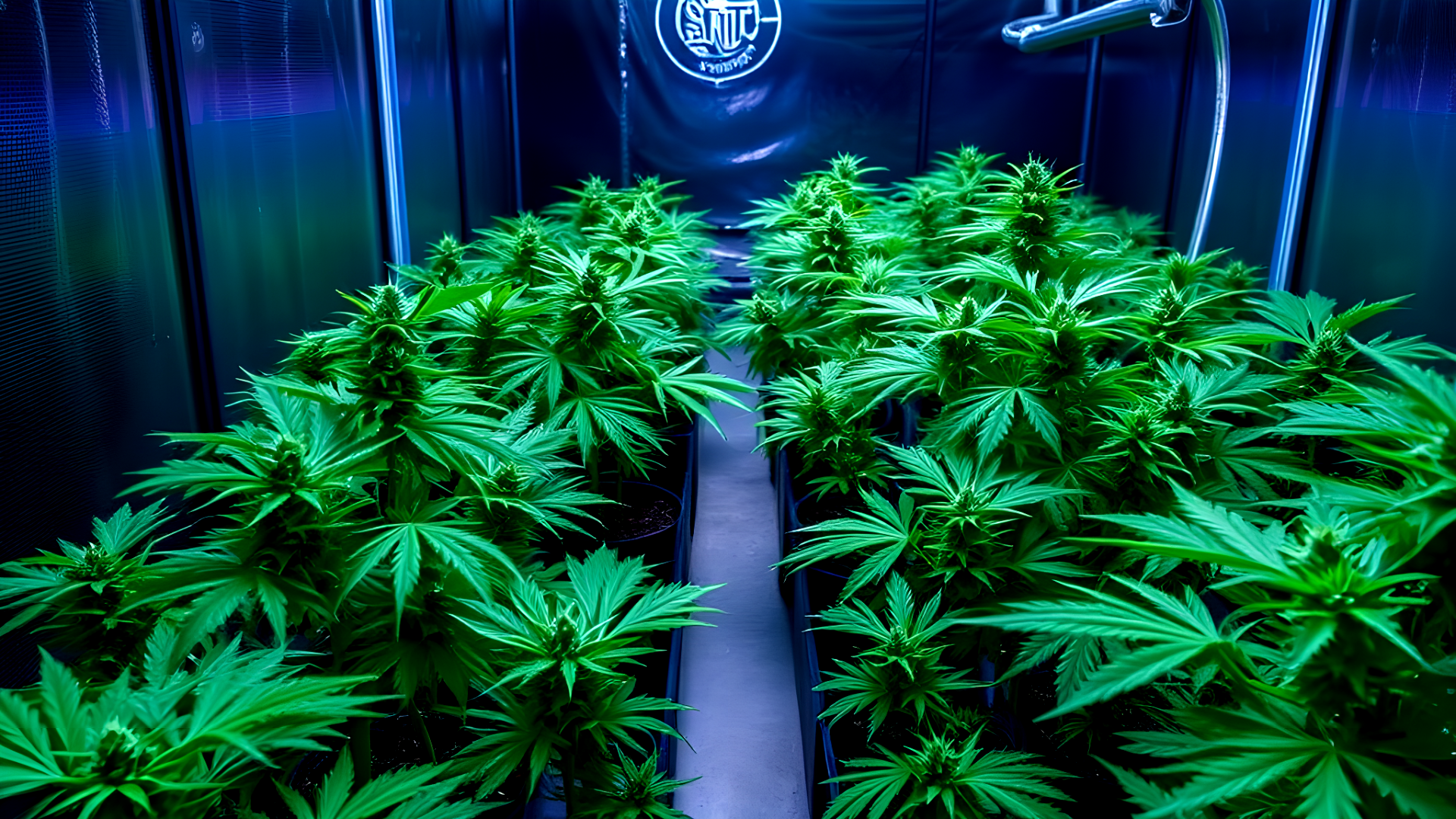
Modern cultivation facilities represent marvels of agricultural engineering. Cresco Labs operates state-of-the-art indoor facilities featuring precisely controlled environments where every variable—from light spectrum to nutrient delivery—is optimized for maximum plant health and cannabinoid production.
Indoor cultivation advantages include:
Outdoor cultivation remains important for companies emphasizing natural growing methods. California’s Flow Cannabis exemplifies craft outdoor cultivation, producing sun-grown flowers that showcase terroir characteristics unique to specific microclimates.
Throughout the growing cycle, cultivators employ sophisticated monitoring systems tracking plant health metrics in real-time. Sensors measure soil moisture, nutrient levels, and environmental conditions while cameras document plant development stages. This data-driven approach ensures optimal growing conditions while maintaining detailed records for regulatory compliance.
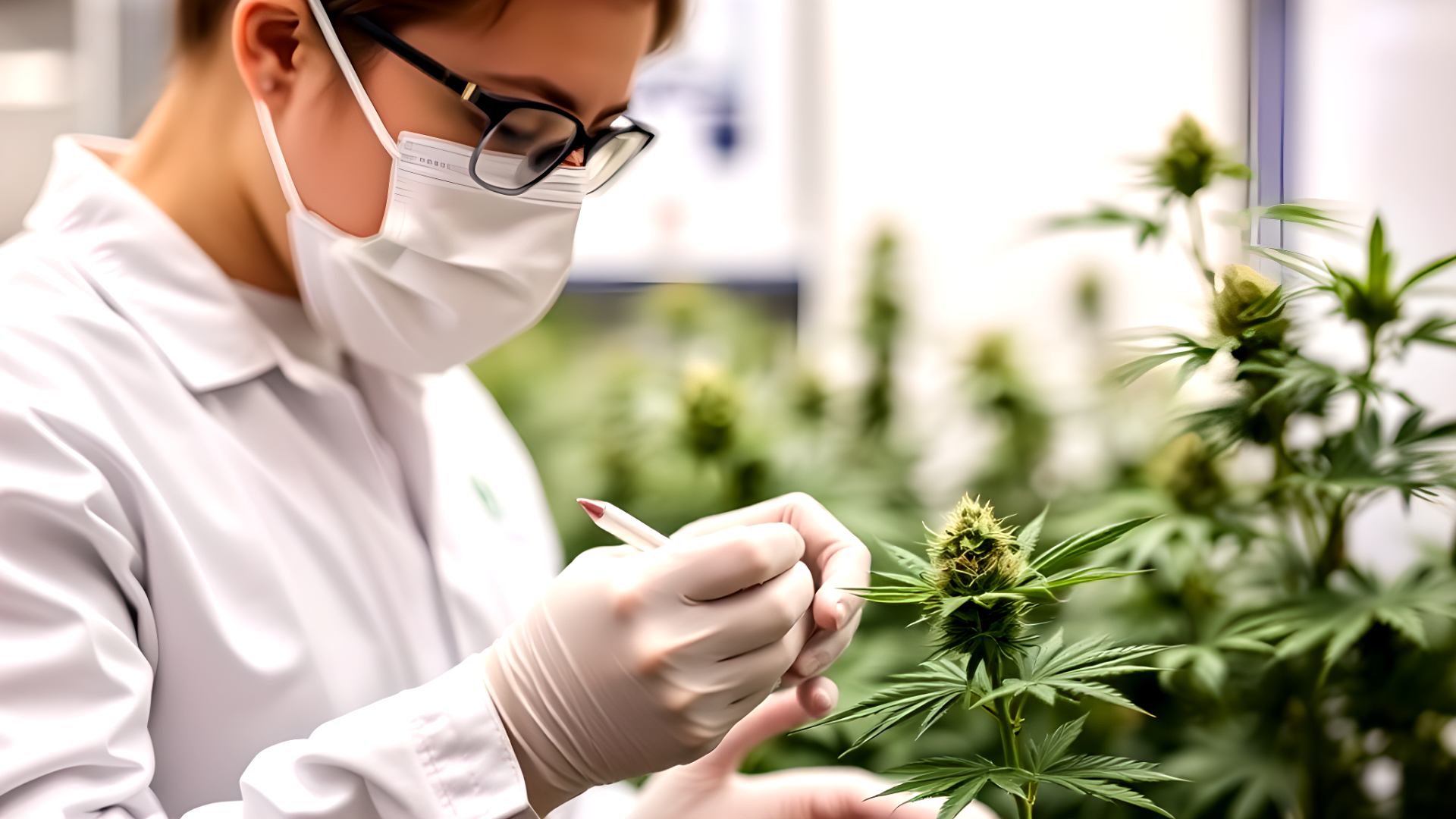
Experienced cultivators rely on trichome examination to determine peak harvest timing. These microscopic resin glands contain the cannabinoids and terpenes that define each strain’s effects and aromatics. Using magnification tools, growers assess trichome clarity and color to ensure maximum potency and desired effect profiles.
The transition from living plant to finished product requires careful handling to preserve quality. Professional operations like those run by Connected Cannabis employ climate-controlled drying rooms where temperature and humidity remain precisely regulated. This controlled environment prevents mold development while preserving delicate terpene compounds that contribute to flavor and aroma.
Curing represents the final crucial step in flower preparation. Premium producers such as Alien Labs cure their products for extended periods, allowing enzymatic processes to enhance flavor while achieving optimal cannabinoid ratios. This patience distinguishes craft producers from mass-market operations.
Cannabis processing has evolved far beyond simple methods, with companies investing millions in advanced extraction equipment. Select utilizes supercritical CO2 extraction systems that operate at specific pressure and temperature parameters, producing clean concentrates without residual solvents.
Live resin production, perfected by brands like Raw Garden, involves flash-freezing fresh plants immediately after harvest, preserving volatile terpenes that would otherwise degrade during traditional drying. This technique produces concentrates with exceptional flavor profiles that closely mirror the original plant’s characteristics.
Solventless extraction methods continue gaining popularity among health-conscious consumers. West Coast Alchemy specializes in rosin production, using only heat and pressure to extract cannabinoids and terpenes without any chemical solvents.
Manufacturing extends far beyond basic extraction, with companies developing sophisticated product formulations. Kiva Confections has mastered precise dosing in their chocolate bars and gummies, ensuring consistent effects through proprietary manufacturing processes and rigorous quality control.
Beverage manufacturers like Cann have overcome significant technical challenges in creating shelf-stable, fast-acting cannabis drinks that provide predictable effects. These innovations require extensive research and development investments to perfect flavor profiles while maintaining cannabinoid stability.
Mary’s Medicinals pioneered transdermal patches and topical formulations, creating products that deliver cannabinoids through skin absorption for localized effects without psychoactive experiences.
Every cannabis product undergoes extensive laboratory analysis before reaching consumers. State-licensed testing facilities screen for numerous potential contaminants including pesticide residues, heavy metals, microbial contamination, and residual processing solvents.
Potency testing ensures accurate labeling of cannabinoid content, typically measuring THC, CBD, CBG, and other compounds. This information helps consumers make informed decisions about dosing and expected effects.
Leading brands exceed minimum testing requirements, implementing comprehensive quality assurance programs. Stiiizy conducts additional testing throughout their manufacturing process, ensuring consistency from batch to batch while maintaining their reputation for reliable products.
Some companies utilize blockchain technology to provide complete supply chain transparency, allowing consumers to trace their products back to the original cultivation facility and view all testing results.
Cannabis distribution operates under sophisticated tracking systems that monitor every product movement from cultivation through final sale. Metrc and similar platforms create detailed audit trails ensuring regulatory compliance while preventing product diversion.
Licensed distributors like Nabis manage complex logistics networks, coordinating between numerous cultivators, manufacturers, and retailers while maintaining strict security protocols and chain of custody documentation.
Moving cannabis products requires specialized transportation services equipped with GPS tracking, secure storage compartments, and trained security personnel. These operations ensure products remain secure while maintaining proper environmental conditions during transport.
Dispensary buyers carefully curate product selections based on consumer demand, quality metrics, and brand reputation. Established brands like Backpack Boyz and Cannabiotix maintain strong retail relationships through consistent quality and effective marketing strategies.
Popular strains continue driving consumer interest, with varieties like White Widow, Northern Lights, and Sour Diesel maintaining strong sales performance across diverse markets. Newer crosses like Runtz and Jealousy demonstrate how innovative breeding continues expanding consumer options.
Modern dispensaries provide educational environments where knowledgeable staff guide consumers through product selection. Harborside and similar premium retailers invest heavily in staff training and store design, creating welcoming spaces that demystify cannabis consumption for new users.
Digital integration enhances the shopping experience, with apps providing detailed product information, effects descriptions, and user reviews. Some dispensaries offer virtual consultations and personalized product recommendations based on individual preferences and experience levels.
The cannabis industry increasingly mirrors craft beer and wine markets, with small-batch producers commanding premium prices for exceptional quality. Doja and Wonderbrett represent this craft movement, focusing on limited production runs and unique genetic varieties.
Craft producers often emphasize traditional growing methods, hand-trimming, and extended curing processes that larger operations cannot economically justify. These approaches create distinctive products that appeal to discerning consumers willing to pay premium prices.
Environmental consciousness drives innovation throughout the supply chain. Sun Grown emphasizes regenerative agriculture practices, while packaging companies develop biodegradable materials to reduce environmental impact.
Energy-efficient LED lighting systems and renewable energy integration help indoor cultivators reduce their carbon footprint while maintaining production efficiency.
Artificial intelligence optimizes growing conditions by analyzing vast datasets and predicting optimal environmental parameters. Machine learning algorithms help predict harvest timing and identify potential plant health issues before they become serious problems.
Automated packaging and processing equipment increases efficiency while reducing contamination risks and labor costs.
Operating across multiple state markets with varying regulations creates complex compliance challenges. Multi-state operators like Curaleaf and Trulieve must adapt their operations to meet different testing requirements, packaging regulations, and marketing restrictions.
Banking limitations continue affecting industry operations, though state-level banking programs and federal policy evolution provide hope for improved financial services access.
As markets mature, industry consolidation occurs through strategic acquisitions and partnerships. Large operators acquire successful brands and cultivation facilities to expand their geographic presence and product portfolios.
This consolidation creates opportunities for craft producers to differentiate themselves through unique products and premium positioning.
The cannabis supply chain will continue evolving as technology advances and markets mature. Emerging developments include nanotechnology for improved bioavailability, personalized medicine approaches based on individual genetics, and enhanced extraction methods producing novel cannabinoid formulations.
Consumer education will remain crucial as product diversity expands and new consumption methods emerge. The industry’s commitment to safety, quality, and innovation ensures continued growth and acceptance in mainstream markets.
Understanding this comprehensive supply chain helps consumers appreciate the expertise, investment, and dedication required to produce the high-quality cannabis products available in legal markets today. From master cultivators perfecting genetic varieties to dispensary professionals providing personalized guidance, each participant contributes to an industry that prioritizes consumer safety and satisfaction above all else.